

The short answer
On move-in day, list every keyed entry, count the keys you received, and test each lock with the door open and closed. Rekey compatible, serviceable locks so unreturned keys no longer work; replace damaged or unsuitable hardware. Include the garage entry, outbuildings, mailbox, keypad codes, and any smart-lock accounts. Do not assume the keys handed over at closing are the only copies.
- Walk every entry instead of checking only the front door.
- Rekey for key control; replace for condition, compatibility, or a desired upgrade.
- Update keypad and smart-lock access without losing track of the mechanical override key.
Inventory more than the front door
Walk the property and list front, back, side, patio, garage-entry, and walkout doors. Include sheds, detached garages, storage rooms, mailboxes, and any separate rental areas. Record how many keys you receive for each lock and whether one key operates several doors. If a door has both a knob and deadbolt, check whether they use the same key and whether both are needed for your preferred setup.
- Exterior doors and deadbolts
- Garage entry and overhead-door access devices
- Outbuildings, mailbox, and storage locks
- Keypads, smart locks, and mechanical override keys
Test each lock without forcing it
With the door open, extend and retract the latch and deadbolt. Then test gently with the door closed. Note rubbing, loose handles, a bolt that does not fully extend, or a door that must be lifted to lock. Those details help separate rekeying from alignment or hardware work. Avoid slamming the door or forcing a key to make the lock engage; that can mask the problem and eventually damage the key or mechanism.
Decide between rekeying and replacement
Rekeying is appropriate when compatible locks are in good condition and your main goal is to invalidate previous keys. Replacement is more useful when hardware is damaged, worn, mismatched, or due for a functional upgrade. You can combine approaches across the property. Ask whether the locks can be keyed alike if you want fewer keys, and make sure any new deadbolt or latch fits the existing door preparation.
Reset electronic access carefully
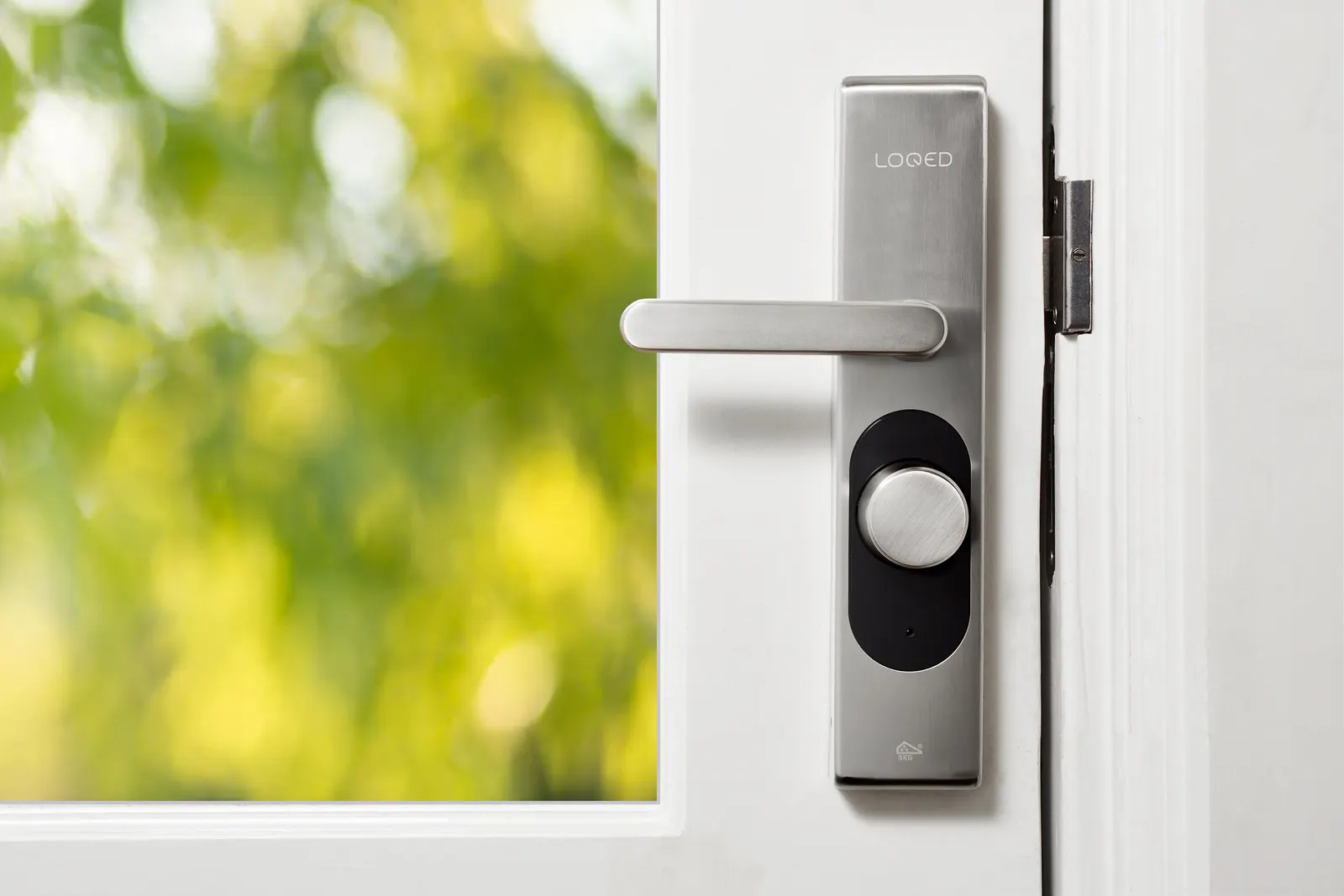
For a keypad or smart lock, follow the manufacturer’s reset and ownership-transfer instructions. Remove old user codes, review paired phones or accounts, and set new administrator credentials where supported. Test the mechanical override key and keep it accessible outside the locked area. Replace weak batteries and confirm the bolt moves freely; a connected lock still depends on a properly aligned mechanical deadbolt.
Create a simple ongoing key record
Once the work is complete, label spare keys without writing the full address on them and store them securely. Record who has each key or code, including household members, cleaners, contractors, and pet sitters. Review that list when arrangements change. Keep the itemized locksmith receipt and hardware manuals with your home documents so later service starts with useful information.
Questions about this topic
Should a new homeowner always rekey the locks?+
Rekeying is a practical way to make previous keys stop working when the existing hardware is compatible and serviceable. If locks are damaged or need an upgrade, replacement may be the better option. The important step is to make a deliberate decision about who can access the property.
Do I need to replace the locks to use one key everywhere?+
Not always. Compatible locks can often be keyed alike. Different keyways or unsuitable hardware may require some replacement, so have the existing cylinders checked first.
What should I do with the old smart-lock codes?+
Use the manufacturer’s transfer or reset process to remove previous users and establish new administrator control. Then test every new code, connected device, and the mechanical override key.
Need service rather than general advice? Read about our residential locksmith service in the Minneapolis metro or call 763-238-4915.
Need help with your specific situation?
Call with your Minneapolis-area location and the lock, key, or vehicle details.
